Adding wine to a self-pour system offers significant benefits for both operators and customers. The key takeaways are that wine on tap guarantees quality and freshness, provides a profitable and efficient serving method, and is a sustainable choice that appeals to environmentally conscious consumers. By embracing this technology, establishments can expand their beverage offerings, enhance the customer experience, and reduce waste.
Key Takeaways:
- Guaranteed Quality and Freshness: Unlike wine from a bottle that oxidizes once opened, kegged wine remains fresh from the first pour to the last. This ensures every glass served is of the highest quality, a major selling point for guests.
- Increased Profitability and Efficiency: Operators can achieve attractive pour costs and eliminate the waste associated with unfinished bottles. The self-pour model also reduces the time staff spend on pulling corks and stocking bottles, allowing them to focus on guest engagement.
- A Sustainable and Modern Solution: The use of 100% reusable steel kegs significantly reduces waste and a business’s carbon footprint. This sustainable practice resonates with today’s consumers who are increasingly looking for eco-friendly options.
- How to Source and Select Wine for Taps: Operators can work with distributors to find existing kegged wines or request that a favorite winery’s products be put into kegs. This opens up a world of possibilities for a diverse and exciting wine list.
The landscape of beverage service is evolving, and self-pour technology is at the forefront of this change. While often associated with craft beer, this innovative system is proving to be a perfect match for wine. The benefits extend far beyond novelty, addressing critical concerns for operators and offering a superior experience for customers. The move to wine on tap, particularly through a self-pour system, is a strategic decision that aligns with modern trends in sustainability, efficiency, and customer choice. This approach not only diversifies a menu but also elevates the entire dining or bar experience.
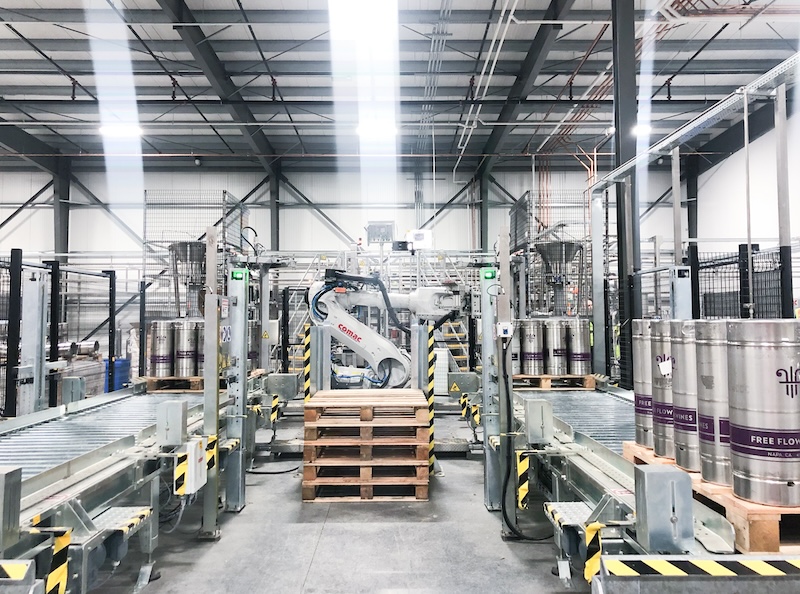
One of the most compelling arguments for moving to a self-pour wine system is the unparalleled quality it delivers. Traditional by-the-glass programs often struggle with freshness, as opened bottles can deteriorate within a few days. With wine on tap, this problem is completely eliminated. The wine is stored in 100% reusable stainless steel kegs and protected from oxidation and light, ensuring that the first glass tastes just as the winemaker intended as the last. This consistency is crucial for building customer trust and maintaining a high standard of quality. John McCash, Vice President of Business Development for Free Flow Wines, highlights this point: “The great thing about the keg wine is that it’s perfect from the first glass to the 110th glass in the keg”. This assurance of freshness allows operators to offer a wider range of high-quality wines by the glass without the fear of waste, encouraging customers to explore new varietals. Free Flow Wines has a wide network of winery partners and their brands in kegs, including both US-based wineries and international wines.
“The great thing about the keg wine is that it’s perfect from the first glass to the 110th glass in the keg.” – John McCash
Beyond quality, the financial and operational benefits of self-pour wine are hard to ignore. The self-pour model is a highly efficient way to serve beverages, as it eliminates the labor involved in pouring and stocking bottles. This frees up staff to provide better service and spend more time with guests, enhancing the overall customer experience. Moreover, wine on tap offers a profitable solution with consistently attractive pour costs. Operators can track every ounce poured, ensuring high yield and minimizing waste. As Darren Nicholson, who runs sales and marketing for iPourIt, points out, the system allows for an “automated process for checking in and ensuring that all the ounces are recorded and sent to a transaction to a tab”. This combination of profitability and a great guest experience makes a strong business case for adopting the technology.
“The iPourIt system is very unique in that it allows an operator to self-serve their guests, and it has an automated process for checking in and ensuring that all the ounces are recorded and sent to a transaction to a tab.” – Darren Nicholson
For an operator like Rasheem Austin, who runs Tap That Downtown, the decision to add wine to his self-pour wall was about expanding his offerings and surprising his customers. He found that many people initially associate keg wine with lower quality, a misconception that is quickly changed once they see the diverse and high-end options available. Rasheem explains, “I do think that a lot of people correlate keg wine maybe with cheaper wine, but then they can find out that there’s options that are really good options available to them”. His experience demonstrates that self-pour technology is an excellent platform for educating consumers about the quality and variety of wines available in kegs. By offering a range of price points, he hopes to appeal to both seasoned wine lovers and those just beginning their journey, further cementing his establishment as a destination for all types of beverage enthusiasts.
“I do think that a lot of people correlate keg wine maybe with cheaper wine, but then they can find out that there’s options that are really good options available to them.” – Rasheem Austin
The shift to wine on tap is also a powerful statement about sustainability. The production and transportation of glass bottles account for a significant portion of wine’s carbon footprint. With less than 30% of wine glass being recycled, the environmental impact of bottled wine is substantial. Free Flow Wines addresses this by using 100% reusable steel kegs that save roughly 38 pounds of trash per keg from the landfill. Since its inception, the company has saved over 62 million pounds of trash from landfills. This commitment to the environment is not just a marketing tool; it’s a core business practice that provides a tangible benefit. By choosing wine on tap, operators can support their own sustainability goals and attract customers who value eco-conscious businesses.
For operators looking to add wine to their taps, the process is simpler than one might think. The first step is to engage with your distributors. Free Flow Wines partners with over 400 distributors, including major players like Southern Glazers and RNDC, to manage the supply chain. You can ask your distributor what kegged wines they currently offer. If there’s a specific wine you want that isn’t yet available on tap, you can ask the distributor to contact the winery and Free Flow Wines to inquire about putting it into a keg. This process empowers operators to curate a unique and desirable wine list that perfectly suits their clientele, whether they prefer a good Oregon Pinot or a high-end Napa cab.
Ready to elevate your beverage program and embrace a smarter, more sustainable way to serve wine? Contact us to learn more about our self-pour technology and how it can transform your business.